BioCNG
Distributed production of pipeline-quality biomethane that can replace LPG, propane, or diesel as a drop-in fuel.

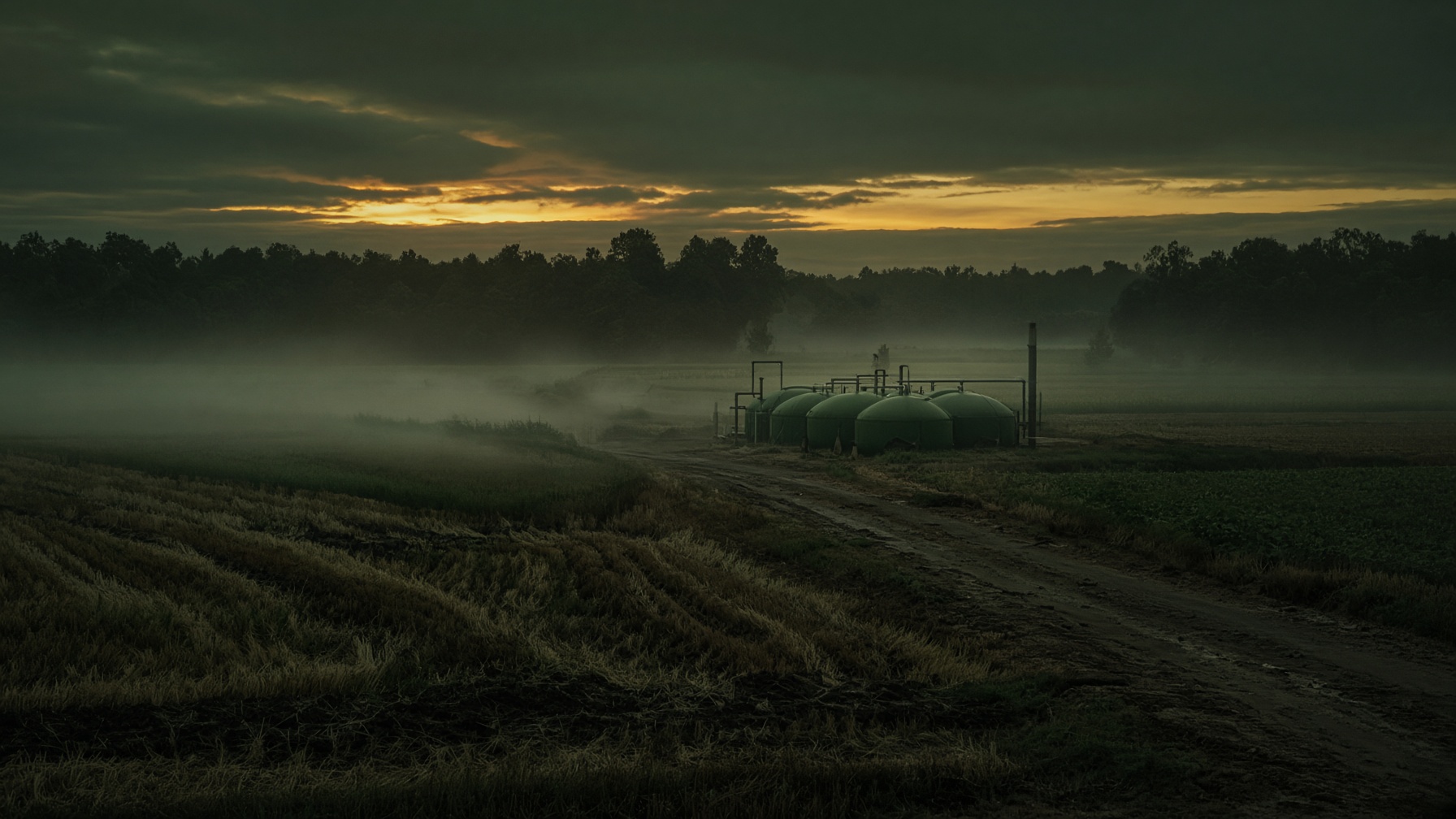
Circular clean fuels
Decarbonizing communities and industries for a sustainable future.
Agricultural and organic waste become renewable natural gas, a practical hydrogen pathway, and regenerative soil products.
Modular systems placed next to the waste source — not distant mega-plants.
Drop-in BioCNG for industry, engines, and storage already in use.
Nutrients and carbon return to farmland as fertilizer and biochar.
The challenge
The problem is not only emissions. It is the distance between feedstock, processing, and the sites that need energy now.
The circular model
Three outputs from one closed loop — fuels for industry and communities, plus carbon that stays in the ground.
Distributed production of pipeline-quality biomethane that can replace LPG, propane, or diesel as a drop-in fuel.
The same feedstock and process architecture opens a practical near-term pathway to green hydrogen.
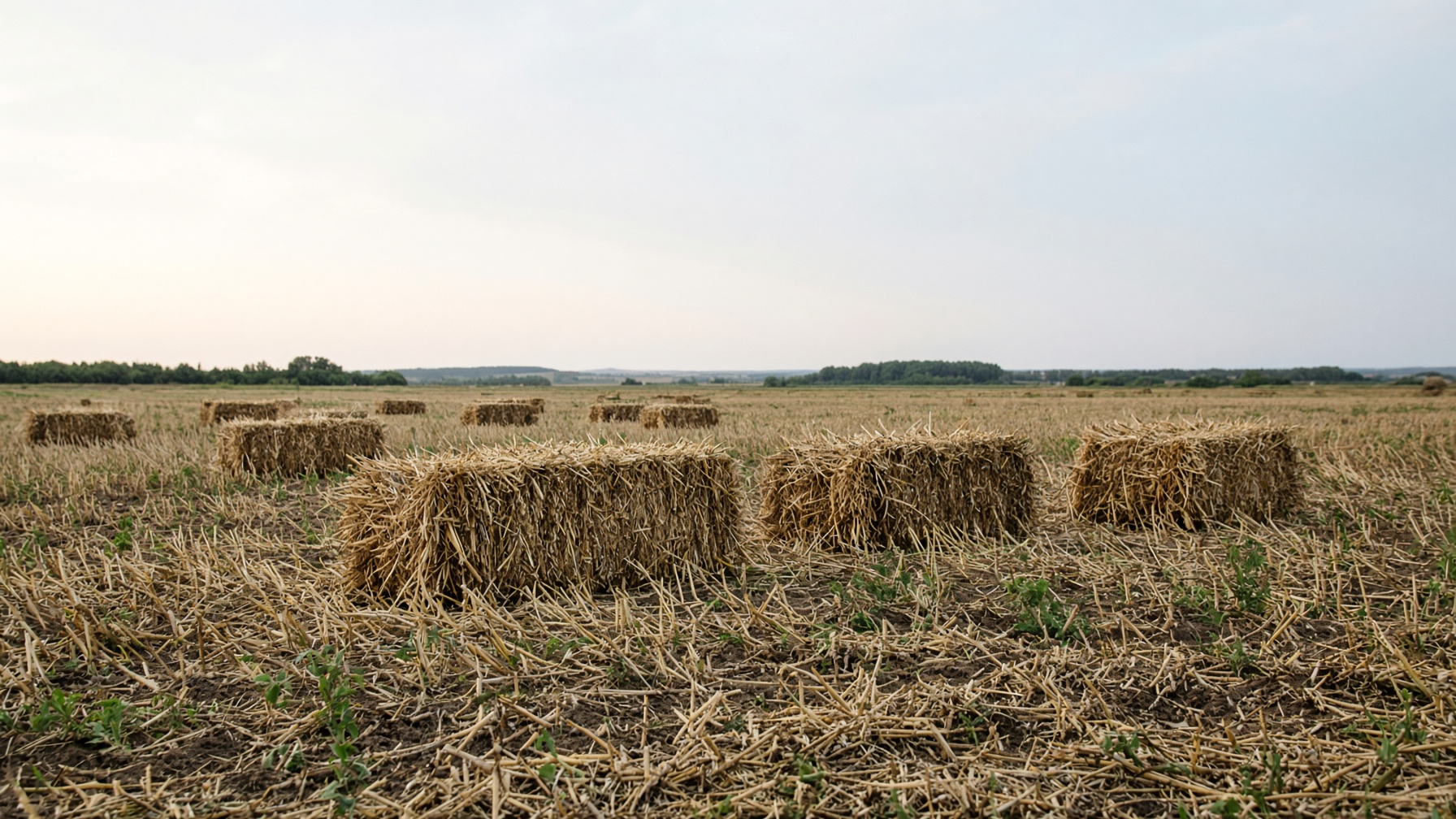
Organic fertilizers and biochar return nutrients to farmland and lock carbon in the soil.
How it works
Highly modular systems sit near feedstock. Enriched gas moves to offtake. Nutrients and carbon return to farms.
Agricultural residue and organic waste collected close to source.
Energy- and water-efficient anaerobic digestion.
Biogas upgraded to pipeline-quality renewable gas.
BioCNG today, with a built-in pathway to bio-hydrogen.
Direct industrial use or compressed storage and transport.
Organic fertilizer and biochar go back to farms.
Distributed scale is the point. Processing near the waste source removes the cost and carbon of hauling biomass to a distant central plant.
Technology
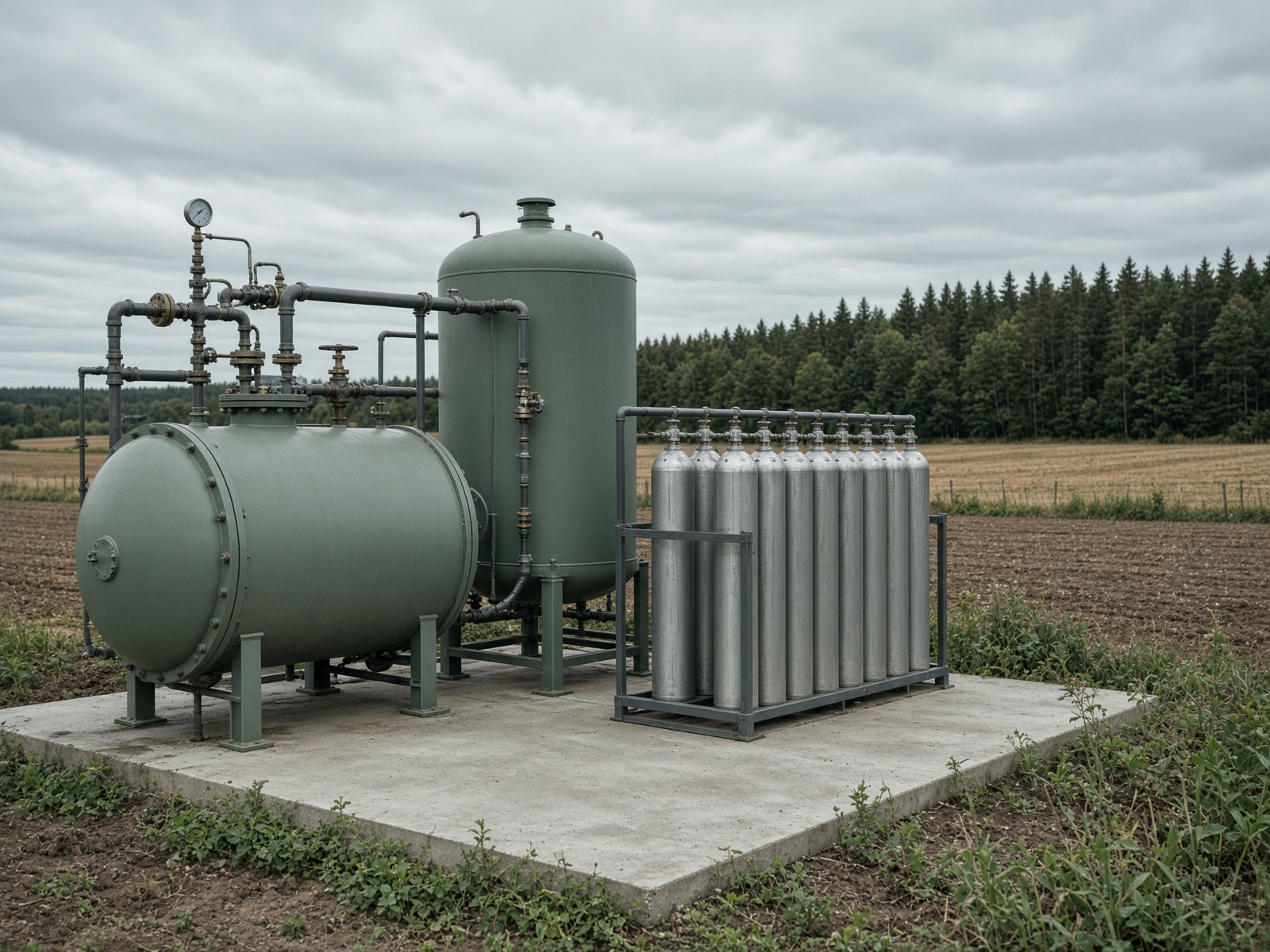
Capability over complexity. The system is designed to be placed where waste already is, then feed industry without a new grid.
Impact
Illustrative figures from assessed installations. Not universal guarantees — actual results depend on feedstock, load, and site.
2.93 kg
CO₂e avoided per litre of diesel displaced
800 t
CO₂e avoided per year, mini-grid scale
1.5–3 kt
CO₂e avoided per year, industrial scale
Helps clients pursue carbon-neutrality and Scope 1 / Scope 3 reductions, with permanent sequestration through biochar.
Contact
Tell us about industrial offtake, a mini-grid, or a circular agriculture partnership. We will respond directly.
